

Some losses are too big for ordinary sentences. When someone you love is gone, “I’m sorry” and “I’m fine” both fall short. That is where poetry about grief steps in.
A few lines of verse can say what pages of prose cannot. This guide covers the meaning, purpose, types, and rules of grief poetry. It also includes original poems, book lists in English, Urdu, and Hindi, and the poets worth reading first.
If you are hurting right now, read slowly. Take one section at a time.
Poetry About Grief Meaning
Poetry about grief is verse that expresses sorrow, mourning, and the long ache that follows loss. The loss may be a death, a breakup, a lost home, or a version of life that no longer exists.
Unlike a eulogy, which speaks to a crowd, grief poetry often speaks to one person: the one who is gone. It does not try to fix pain. It gives pain a shape, a rhythm, and a place to sit.
As Poem Analysis notes, grief-centered poems echo with a sadness that feels universal, which explains why readers from every culture return to them.
Read Also This Blog: Improve Poetry Writing
Characteristics of Poetry About Grief
Most poems about grief share a few traits:
- Raw emotion: The language is honest, not decorated.
- Imagery of absence: Empty chairs, silent rooms, unanswered phones.
- Nature symbols: Rain, autumn leaves, winter, tides, and fading light.
- Repetition: Repeated words mimic the loop of grieving thoughts.
- Short, broken lines: White space acts like a held breath.
- Direct address: The speaker talks to the lost person as if they could still listen.
- Mixed feelings: Love, anger, guilt, and relief often sit in the same stanza.
Effects Of Poetry About Grief
Reading or writing grief poems can change how loss feels. It does not remove sorrow, but it can lighten the load.
- It helps you name emotions you could not describe.
- It reminds you that you are not the first person to feel this.
- It lowers the sense of isolation.
- It gives memory a safe container.
- It can open the door to crying, which many mourners need.
BetterHelp points out that poetry can help people describe feelings that first seem overwhelming and indescribable. Poetry is not therapy, though. If grief begins to affect sleep, work, or safety, please speak to a counselor or a trusted person.
Purpose Of Poetry About Grief
The purpose is not to cheer you up. It is to keep you company.
- To express: Turn a vague heaviness into words.
- To remember: Preserve a person’s voice, habits, and presence.
- To heal: Move from numbness toward acceptance at your own pace.
- To connect: Share a poem and let others mourn with you.
- To honor: Give the loved one a lasting tribute.
Types Of Poetry About Grief
Grief poetry comes in several forms. This table makes the main ones easy to compare.
| Type | What It Is | Typical Tone | Example Use |
|---|---|---|---|
| Elegy | A formal poem mourning one person | Solemn, reflective | Funeral tribute |
| Lament | A cry of sorrow, often musical | Open, wailing | Collective mourning |
| Free verse | No fixed rhyme or meter | Conversational, raw | Personal journaling |
| Sonnet | 14 lines with a set structure | Controlled, intense | Disciplined sorrow |
| Haiku | Three short lines | Quiet, still | Moments of memory |
| Ghazal | Linked couplets, common in Urdu | Longing, wistful | Loss and separation |
| Marsiya | Urdu elegy of mourning | Devotional, heavy | Remembering the departed |
| Epitaph | A short grave inscription | Brief, final | Headstones |
Rules to Write a Poetry About Grief
There are no strict laws, but these steps help you write something true.
- Start with one real detail. A scarf, a song, a smell. Specific beats general.
- Write to the person. Use “you” and let the poem feel like a letter.
- Say the feeling plainly. Skip fancy words. Honest lines hit hardest.
- Use one strong image. Do not stack five metaphors in one stanza.
- Let the lines breathe. Short lines and gaps show pauses in thought.
- Do not force a happy ending. Healing can arrive quietly or not at all in a single poem.
- Read it aloud. The ear catches false notes the eye misses.
- Edit later, not now. Write first with your heart, revise with your head.
- Keep it private if you wish. A grief poem needs no audience to be valuable.
10 Poetry of 2 Lines About Grief
These original couplets are short enough to share as captions or save as reminders.
- Your chair still waits beside the door,
and so do I, and so do I. - Grief is love with nowhere left to go,
so it fills the house instead. - I set two cups out by habit;
the quiet drinks from yours. - They say time heals, but time just teaches
how to carry what it cannot fix. - Your name sits in my mouth like a prayer
I am afraid to finish. - The calendar moves on without asking;
I stay behind with your last Tuesday. - Some nights the ache is loud as rain,
some nights it is only your absence humming. - I learned your handwriting by heart;
now it is all I have left to read. - Sorrow is the shadow of a lamp
that once lit every room. - We bury the body, not the bond;
the bond keeps walking beside us.
5 Inspiration Poetry of 4 Lines About Grief
1. Morning
The kettle sings, the morning comes,
but no one calls my name.
I pour the tea for two again,
and nothing is the same.
2. Measure
Grief taught me how to count the days
not by the clock, but by your voice,
the ones I heard, the ones I miss,
the ones I’d have, had I a choice.
3. Companion
I carry you in small and ordinary things,
a coat, a song, the way the evening bends.
The ache and I have made a kind of peace:
it walks with me, and love is what it lends.
4. Permission
Do not ask me to be strong today.
Ask me what they loved, and let me stay
inside the story of their laugh a while,
until the dark remembers how to smile.
5. Rain
The rain forgets to stop, and so do I.
I count the windows, then the years gone by.
Yet somewhere in the weeping, soft and slow,
a small green leaf of memory starts to grow.
Poetry About Grief Vs. Love Poetry

Both come from deep attachment, but they face different directions.
| Feature | Poetry About Grief | Love Poetry |
|---|---|---|
| Main emotion | Sorrow, longing | Joy, desire, devotion |
| Time focus | Past and absence | Present and future |
| Usual image | Empty spaces, fading light | Flowers, fire, closeness |
| Speaker’s goal | Cope and remember | Celebrate and connect |
| Overlap | Love survives inside the grief | Love often carries fear of loss |
Grief poetry is often called love poetry with nowhere to land.
Poetry About Grief Vs. Death Poetry
These are related but not identical.
| Feature | Poetry About Grief | Death Poetry |
|---|---|---|
| Focus | The mourner’s feelings | Death as an idea or event |
| Speaker | Someone left behind | Observer, dying person, or philosopher |
| Question asked | “How do I live now?” | “What is death?” |
| Tone | Personal, emotional | Reflective, sometimes abstract |
A poem can be both. Many elegies study death while aching over one specific person.
5 Best English Books of Poetry About Grief
| Book | Author | Why Read It |
|---|---|---|
| Harmony | Whitney Hanson | Follows loss and healing through the language of music |
| Devotions: The Selected Poems of Mary Oliver | Mary Oliver | Gentle, nature rooted meditations on loss and gratitude |
| The Carrying | Ada Limón | Honest poems about bodies, loss, and endurance |
| Duino Elegies | Rainer Maria Rilke | A deep, philosophical look at mortality and longing |
| The Complete Poems | Emily Dickinson | Short, startling poems about death and sorrow |
5 Best Urdu Books of Poetry About Grief
| Book | Poet | Why Read It |
|---|---|---|
| Deewan e Ghalib | Mirza Ghalib | Timeless couplets on pain, loss, and fate |
| Kulliyat e Mir | Mir Taqi Mir | The master of sorrow in Urdu verse |
| Shayad | Jaun Elia | Bitter, intimate verses on heartbreak and absence |
| Naqsh e Faryadi | Faiz Ahmed Faiz | Mourning joined with political and personal ache |
| Barg e Nai | Nasir Kazmi | Quiet, lonely poems of separation |
5 Best Hindi Books of Poetry About Grief
| Book | Poet | Why Read It |
|---|---|---|
| Aansu | Jaishankar Prasad | A famous collection devoted to tears and sorrow |
| Yama | Mahadevi Verma | Soft, spiritual poems of pain and longing |
| Anamika | Suryakant Tripathi Nirala | Includes his well known elegy for his daughter |
| Madhushala | Harivansh Rai Bachchan | Melancholy reflections on life, loss, and escape |
| Saaye Mein Dhoop | Dushyant Kumar | Ghazals that carry grief into everyday struggle |
Editions and compilations vary by publisher, so check the contents page before you buy.
3 Best English Poets of Grief Poetry
- Emily Dickinson: She wrote about death and sorrow in compact, unforgettable lines. Her poem about how grief arrives imperceptibly is often listed among the finest on the subject.
- Mary Oliver: Her work finds comfort in the natural world, and her later books carry the weight of losing her partner of many years.
- Linda Pastan: Her poem built on the five stages of grief is widely cited by grief researchers, according to BetterHelp.
3 Best Urdu Poets of Grief Poetry
- Mir Taqi Mir: Often called the god of poetry in Urdu, he turned personal suffering into elegant couplets.
- Mirza Ghalib: He writes about pain with wit, philosophy, and unmatched imagery.
- Jaun Elia: His modern, unfiltered voice speaks to anyone who has been left behind.
3 Best Hindi Poets of Grief Poetry
- Mahadevi Verma: One of the great voices of Chhayavad, known for the sadness woven through her verse.
- Suryakant Tripathi Nirala: His elegy for his daughter is among the most moving mourning poems in Hindi.
- Jaishankar Prasad: His collection of poems on tears and sorrow remains a classic.
Classic Poetry About Grief

Classic grief poetry comes from earlier centuries and has shaped how we mourn in writing. Think of Tennyson’s long elegy for his friend Arthur Hallam, Milton’s pastoral lament for a drowned friend, and Elizabeth Barrett Browning’s reflections on sorrow. Dickinson belongs here too.
Classic poems favor rhyme, meter, and formal structure. The order itself becomes a comfort when life feels chaotic.
An original poem in the classic style:
When evening folds the light away
and silence settles on the stair,
I hear the things you used to say
and find them gently lingering there.
Traditional Poetry About Grief
Traditional grief poetry grows from cultural customs. It includes funeral songs, laments, the Urdu marsiya, devotional mourning chants, and folk ballads about parting.
These forms are often shared aloud, in groups, so the mourner is never alone. In many communities, a poem recited at a gathering does the work that private tears cannot.
An original poem in the traditional spirit:
O gather, friends, and sit with me tonight,
and speak the name that still can warm the room.
Let every memory be a lit lamp
against the long and patient dark of June.
Modern Poetry About Grief
Modern grief poetry drops formal rules. It uses everyday speech, short lines, and sometimes social media as a stage.
Contemporary poets write about grief after miscarriage, illness, addiction, divorce, and sudden loss. Poem Analysis also lists works where grief extends to war and collective tragedy, showing how the theme keeps widening.
An original modern poem:
I answered your number in my phone today.
It was a stranger’s voice.
I said sorry, wrong number,
and meant it in every direction.
Whitney Hanson Poetry About Grief
Her style is simple, lowercase, and intimate. She writes of balance between the loss and the love, between who she was and who she became. Readers who prefer plain, emotional verse often connect with her immediately.
An original poem in a similar plain, musical spirit:
the song goes on
without its singer.
i hum the missing line
and call it you.
Mary Oliver Poetry About Grief
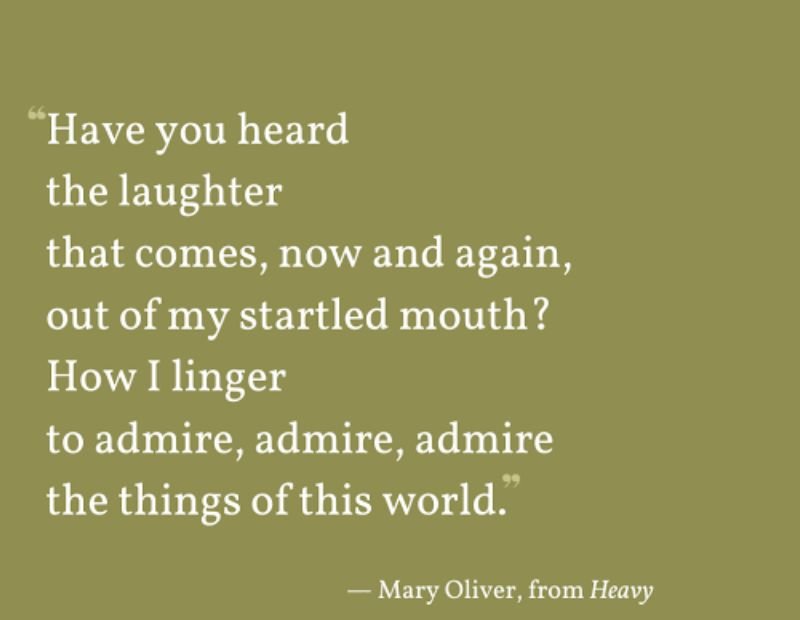
Mary Oliver rarely wrote about grief directly. Instead, she wrote about attention, nature, and the temporary beauty of living things. That is why her poems comfort mourners.
Her well known poem “In Blackwater Woods” speaks about loving something fully and then learning to let it go. In her collection Thirst, she wrote through the loss of her longtime partner. Her message is gentle: loss is part of loving the world.
An original poem in a nature centered spirit:
The heron stands in the shallows, patient.
I stand beside it, patient too.
Neither of us knows what we are waiting for;
both of us return each morning.
Quotes Of Poetry About Grief
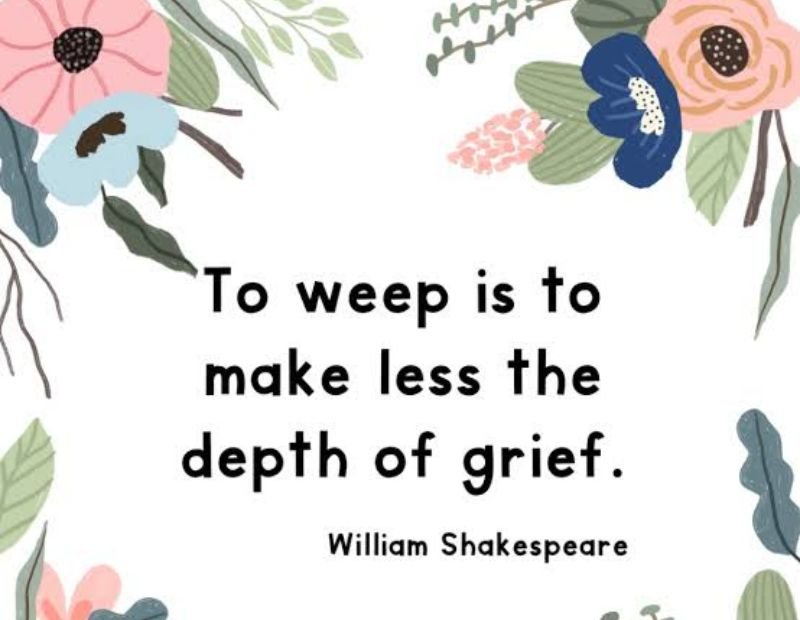
Here are original lines you can use in captions, cards, or journals.
- “Grief is the price love sends us after the goodbye.”
- “You do not get over loss; you grow around it, like a tree around a fence.”
- “The heart keeps a room for everyone it has lost.”
- “Some tears are just love finding a new language.”
- “Healing is not forgetting; it is remembering without breaking.”
- “Grief has no timeline, only tides.”
How to Use Poetry About Grief in Daily Life?
- Read one poem each morning, slowly.
- Keep a journal and write four lines, even on bad days.
- Share a poem with someone who is also grieving.
- Read poems aloud at memorials or anniversaries.
- Join a local or online grief writing circle.
- Pair reading with counseling if the pain feels too heavy.
LSI and Related Terms You May Search
grief poems, poems about loss, elegy, mourning poetry, poems for funerals, poems about death of a loved one, healing poems, bereavement poems, sad poetry, sorrow and heartbreak poetry, poems on missing someone, grief quotes, poetry therapy, expressive writing for grief.
Conclusion
Poetry about grief does not erase loss. It gives it a voice and a home. Whether you read Dickinson, Ghalib, Nirala, Mary Oliver, or Whitney Hanson, or write your own four lines on a quiet night, you are doing something deeply human: turning pain into language.
Start small. Read one poem. Write one line. Let the words keep you company, and reach out for professional or personal support when you need more than words can offer.
Frequently Asked Questions
What is poetry about grief?
Poetry about grief is verse that expresses mourning, sorrow, and longing after a loss. It helps readers and writers give emotion a shape.
Why is poetry good for grief?
Poetry says what ordinary speech cannot. It lets people name overwhelming feelings and feel less alone.
How do I write a poem about grief?
Start with one real memory or object, write directly to the person, and use plain honest language. Do not force a happy ending.
What are the main types of grief poems?
The most common are elegies, laments, sonnets, free verse, haiku, ghazals, and marsiyas.
Is grief poetry the same as death poetry?
No. Grief poetry focuses on the mourner’s feelings, while death poetry explores death itself as an idea or event.
Who are the best poets of grief?
In English, Emily Dickinson, Mary Oliver, and Linda Pastan are top choices. In Urdu, Mir, Ghalib, and Jaun Elia. In Hindi, Mahadevi Verma, Nirala, and Prasad.
Which Whitney Hanson book is about grief?
Harmony is her collection that follows loss and healing through the language of music.
Can poetry replace grief counseling?
No. Poetry is a supportive tool, but counseling helps when grief interferes with daily life or safety.
How long should a poetry about grief be?
Any length works. Two lines can be as powerful as twenty if they are honest.