Blank Verse in Poetry: 20+ Powerful Examples, Structure, Characteristics & Literary Meaning

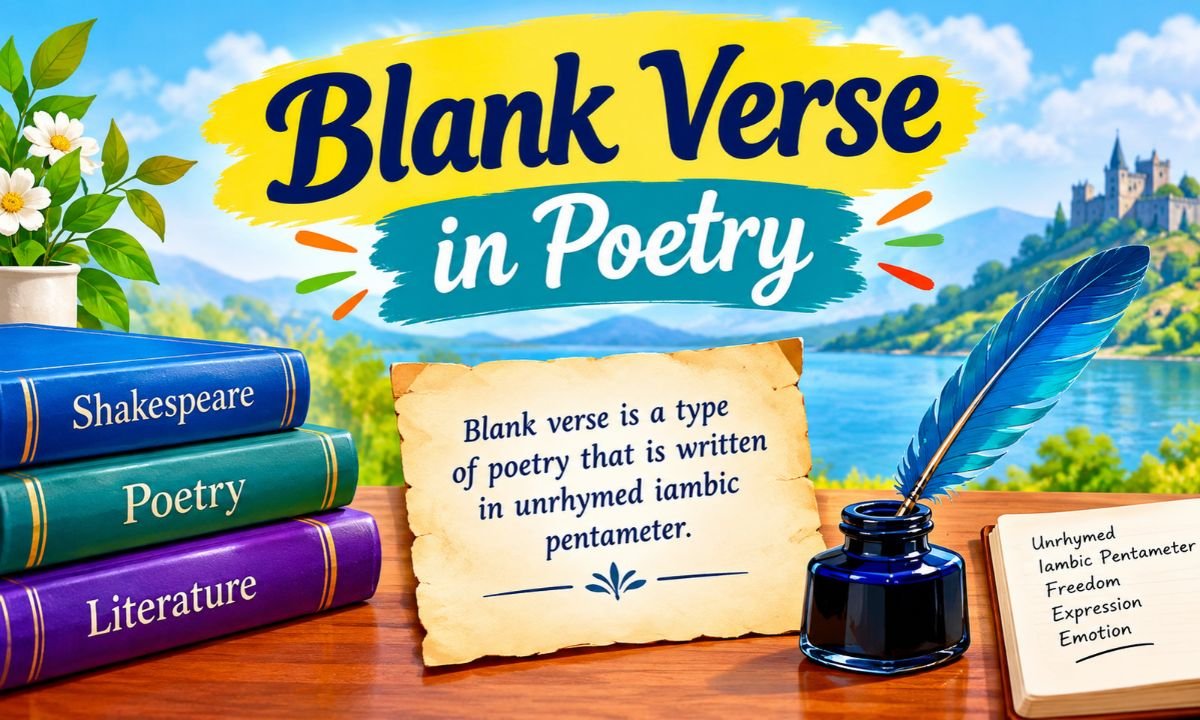
Blank Verse In Poetry

Some of the most famous lines in English literature were never meant to rhyme. Shakespeare’s soliloquies, Milton’s epic vision of heaven and hell, and Wordsworth’s quiet reflections on nature all share one thing in common, they are written in blank verse. This unrhymed but rhythmic form has shaped English poetry and drama for close to … Read more

Oxymoron In Poetry: 20+ Powerful Examples, Types, Uses & Literary Meaning

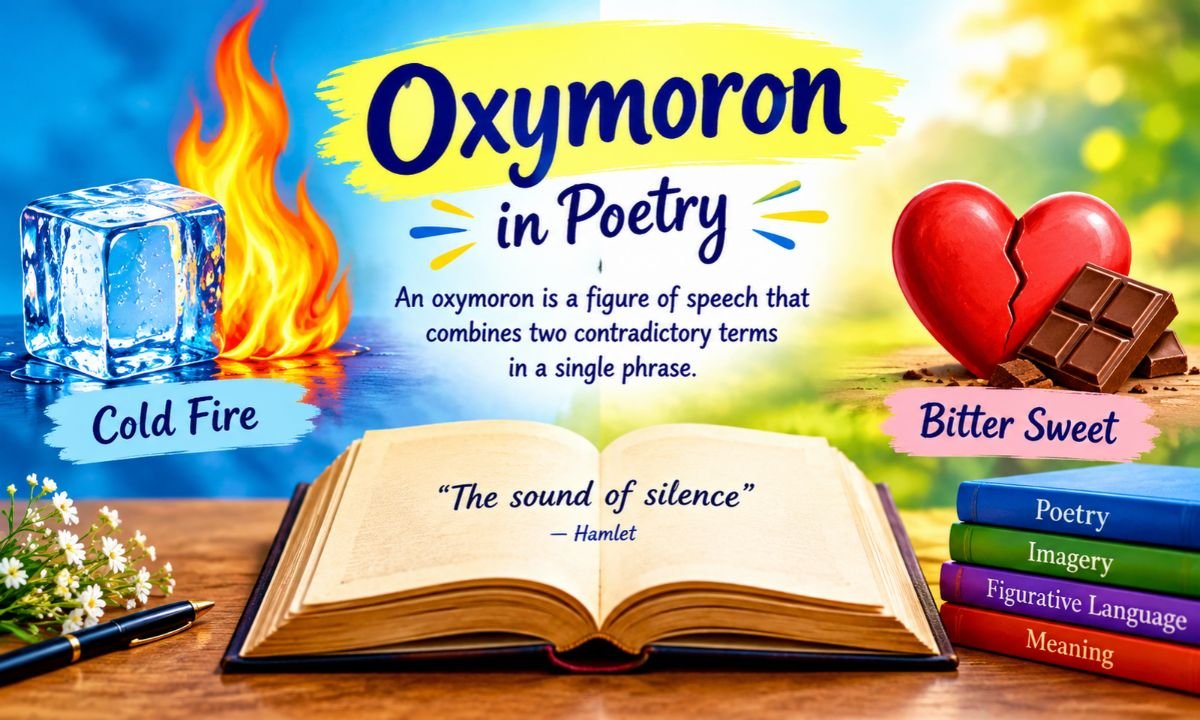
Oxymoron In Poetry

Poetry thrives on contradiction. Some of the most unforgettable lines in literary history don’t make logical sense at first glance yet they capture emotion more precisely than plain language ever could. That’s the magic of the oxymoron in poetry: two opposing words, fused into one phrase, revealing a truth too complicated for ordinary description. Think … Read more

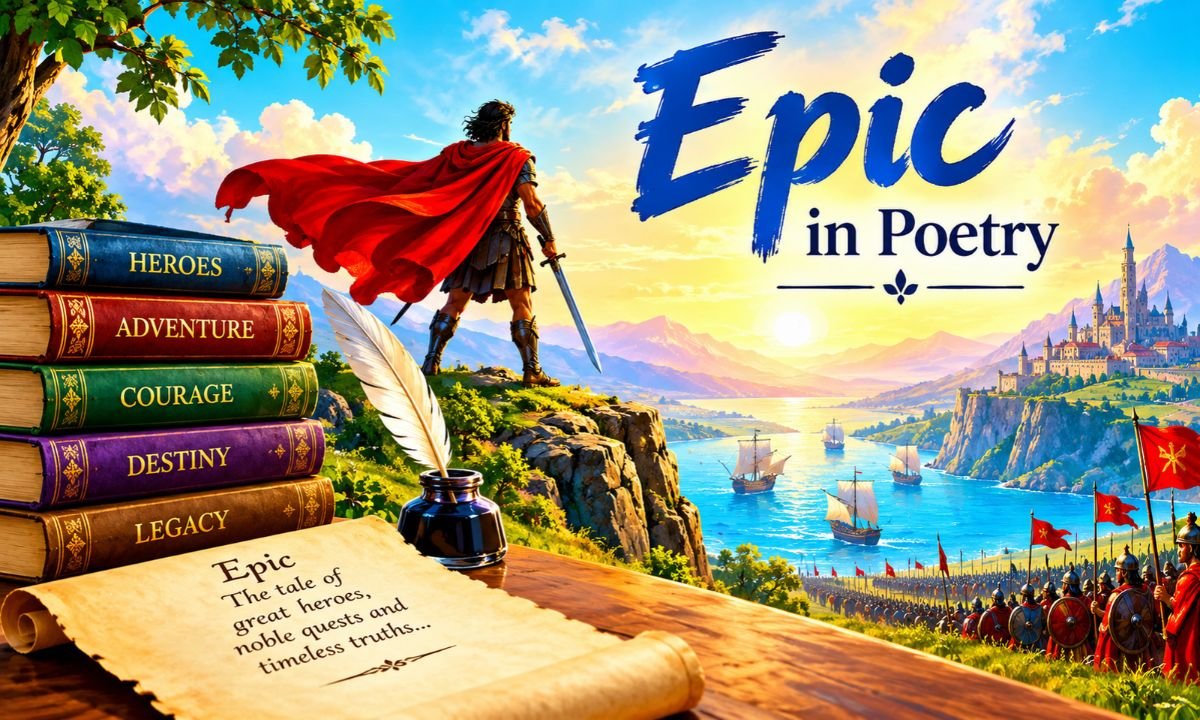
Epic in Poetry: 25+ Magnificent Examples, Types, Elements & Literary Meaning

Epic In Poetry

Epic poetry is one of the oldest and most powerful forms of storytelling in human history. Long before novels, before printing presses, and even before writing itself, communities gathered to listen to long, rhythmic tales about gods, warriors, and impossible journeys. These stories became the epics we still study today. If you have ever wondered … Read more

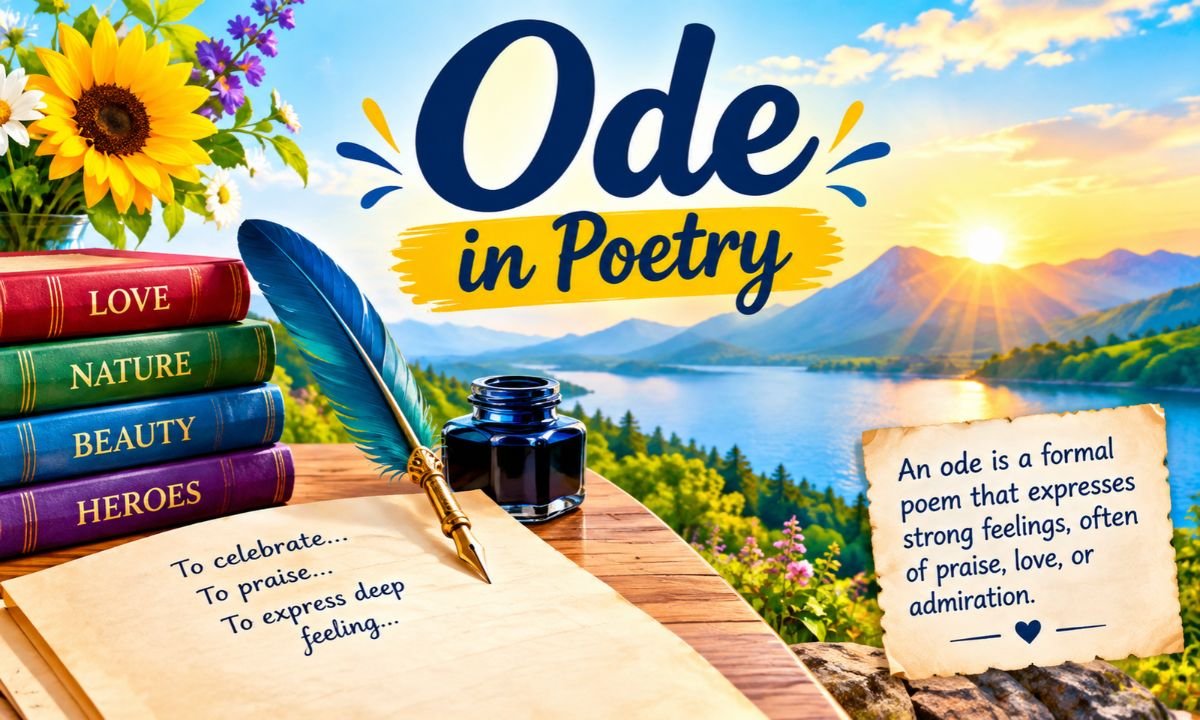
Ode in Poetry: 20+ Powerful Examples, Types, Structure & Timeless Meaning

Ode In Poetry

Odes are some of the most emotionally rich poems ever written, built around one simple idea: celebrating something with genuine, heartfelt praise. Whether it’s Keats writing about a Grecian urn or a student today writing about a favorite season, the ode remains one of poetry’s most flexible and enduring forms. In this guide, we’ll break … Read more

Ballad in Poetry: 20+ Powerful Examples, Types, Structure & Timeless Meaning

Ballad In Poetry

Poetry has always found ways to turn ordinary stories into unforgettable songs, and the ballad sits right at the heart of that tradition. From medieval minstrels singing in village squares to modern songwriters topping music charts, the ballad has survived centuries because it does one thing better than almost any other poetic form: it tells … Read more