
Meta title: Spoken Poetry: Meaning, Types, Examples, How to Write and Perform
Meta description: Learn what spoken poetry is, its types, features, and purpose. Get a step by step writing guide, a script template, Filipino examples, and tips to perform on stage.
URL slug: /spoken-poetry
Research note: I reviewed the current top results for this topic, including educational guides on slam poetry, a Book Riot history piece, an academic paper on spoken word, a long explainer by poet and educator Guante, and Filipino coverage of Juan Miguel Severo and viral pieces like “Batang Ina.” They share a pattern: a simple definition, a spoken word vs slam comparison, features, tips for writing and performing, famous poets, and a short FAQ. This article follows that pattern and adds depth on Tagalog spoken poetry, scripts, and competitions. The wording is original. I do not reproduce any copyrighted poem. I only name pieces and describe their themes.
Spoken poetry is poetry written to be heard. It lives in the voice, the pauses, the rhythm, and the face of the person performing it.
You might have met it on a stage, in a classroom during Buwan ng Wika, or in a viral clip on TikTok. A good piece can make a quiet room go silent in seconds. That is its power.
This guide explains the meaning of spoken poetry, how it differs from slam poetry, and what makes it work. You will also find types, examples, a writing guide, a script template, delivery tips, and a Filipino section for readers searching in Tagalog.
Spoken Poetry Meaning
Spoken poetry is a form of poetry that is created for performance. The poet writes with the ear in mind, then delivers the piece aloud to an audience, live or on video.
Unlike a poem that sits quietly on a page, a spoken poem depends on sound. Tone, speed, volume, and silence become part of the meaning.
Simple Definition
Spoken poetry = poetry written to be performed aloud, with voice and body as part of the art.
Read Also This Blog: Acrostic Poetry
Ano Ang Spoken Poetry?
Sa Filipino, ang spoken poetry ay tula na isinulat para bigkasin nang may damdamin sa harap ng mga tagapakinig. Hindi lang ito basta pagbasa. May hugot, may ritmo, at may pagtatanghal. Madalas itong tungkol sa pag-ibig, pamilya, lipunan, at sariling karanasan.
Literary Meaning
In literary terms, spoken poetry belongs to oral and performance traditions. Its roots reach back to ancient storytelling, when epics were recited from memory before crowds. Modern spoken poetry keeps that oral spirit and adds personal voice, current topics, and a conversational style.
Spoken Poetry vs Spoken Word Poetry vs Slam Poetry
These terms overlap, which confuses many readers. Here is a clear breakdown.
| Term | Meaning | Key Feature |
|---|---|---|
| Spoken poetry | Poetry meant to be said aloud | General, everyday term |
| Spoken word poetry | An umbrella term for performed poetry and related oral art | Can include stories, monologues, music |
| Performance poetry | Poetry built around stage presence | Focus on delivery |
| Slam poetry | Spoken word performed at a poetry slam | Competitive, scored, time limited |
Slam Poetry vs Spoken Word
The main difference is context, not form. Slam poetry is spoken word performed at a poetry slam, which is a contest where poets are scored by judges chosen from the audience. Spoken word can be performed anywhere, such as cafes, schools, open mics, and online.
A simple way to remember it: all slam poetry is spoken word, but not all spoken word is slam poetry.
Slam events often come with common rules, like a time limit, original work only, and no props or costumes. Spoken word in general is more flexible.
A Short History of Spoken Poetry
Spoken poetry is both very old and very new.
- Ancient times: Epic poems like the Odyssey were recited aloud for entertainment and memory.
- Early 1900s: Jazz poets mixed improvised music with verse.
- 1950s and 1960s: Beat poets brought a loose, musical, free verse style to cafes.
- 1970s: Artists like Gil Scott-Heron blended poetry, jazz, and political messages.
- 1980s: Poetry slams began in Chicago, led by Marc Smith, and spread worldwide.
- 2000s: TV and stage programs, such as HBO’s Def Poetry, brought spoken word to mass audiences.
- Today: YouTube, TikTok, and Instagram have turned bedroom performers into stars.
Spoken Poetry in the Philippines
Filipinos already had a strong oral poetry culture. Balagtasan, a poetic debate named after Francisco Balagtas, became popular in the 1920s. Other folk forms like duplo and awit also carried verse through voice. Modern spoken poetry, often called hugot poetry when it talks about love and heartbreak, grew from open mic nights and online videos in the 2010s.
Characteristics of Spoken Poetry
What makes a spoken poem different from a poem on a page? These features appear again and again.
- Written for the ear: Words are chosen for how they sound as well as what they mean.
- Strong rhythm: Beats, repetition, and pacing keep the audience engaged.
- Conversational language: It sounds like a person talking, not a textbook.
- Personal voice: The poet often speaks from lived experience.
- Emotional honesty: Feelings are direct and raw.
- Sound devices: Rhyme, alliteration, assonance, and internal rhyme are common.
- Repetition: Key lines return like a chorus.
- Imagery: Vivid pictures help listeners see the story.
- Performance elements: Gesture, eye contact, and facial expression add meaning.
- A clear opening and ending: Listeners cannot flip back, so structure must be easy to follow.
- Social or personal themes: Love, identity, family, injustice, mental health.
- Free structure: Most pieces use free verse instead of strict meter.
Purpose of Spoken Poetry
Spoken poetry serves several goals at once.
- Self expression: It gives people a safe way to say what is hard to say.
- Storytelling: It turns memories into short, powerful stories.
- Social commentary: Poets speak about politics, inequality, and justice.
- Education: Teachers use it to build confidence and language skills.
- Healing: Writing and sharing pain can bring relief and connection.
- Entertainment: A great performance simply feels good to watch.
- Community building: Open mics bring strangers together.
- Cultural preservation: In many places, it keeps languages and traditions alive.
Effects of Spoken Poetry
Spoken poetry affects both the performer and the listener.
Effects on the Audience
- Creates strong emotional reactions, like tears, laughter, or chills
- Builds empathy by sharing real stories
- Raises awareness about social issues
- Inspires listeners to write their own work
- Makes poetry feel more welcoming to people who find page poetry hard
Effects on the Poet
- Builds public speaking confidence
- Improves vocabulary and writing skill
- Helps process emotions
- Strengthens identity and voice
- Opens doors to community and opportunities
Types of Spoken Poetry
There is no single rulebook. Here are more than twenty forms and styles you can explore.
| No. | Type | Short Description |
|---|---|---|
| 1 | Slam poetry | Competitive performance with scoring |
| 2 | Performance poetry | Poetry built around stage delivery |
| 3 | Hugot poetry | Filipino style of love, loss, and longing |
| 4 | Love poetry | Romantic or heartfelt feelings |
| 5 | Protest poetry | Speaks against injustice |
| 6 | Political poetry | Comments on government and society |
| 7 | Narrative poetry | Tells a story with a beginning and end |
| 8 | Confessional poetry | Shares private thoughts and struggles |
| 9 | Comedic poetry | Uses humor and surprise |
| 10 | Motivational poetry | Encourages and uplifts |
| 11 | Mental health poetry | Explores anxiety, grief, and healing |
| 12 | Family poetry | About parents, siblings, and home |
| 13 | Identity poetry | Explores race, gender, culture, and belonging |
| 14 | Hip hop poetry | Rhythm and rhyme close to rap |
| 15 | Jazz poetry | Voice meets improvised music |
| 16 | Beat poetry | Free flowing, spontaneous, countercultural |
| 17 | Dub poetry | Rhythmic verse from Caribbean traditions |
| 18 | Dramatic monologue | A character speaks in first person |
| 19 | Call and response | Audience joins in |
| 20 | Rhyming spoken poetry | Uses steady end rhyme |
| 21 | Free verse spoken poetry | No fixed rhyme or meter |
| 22 | Balagtasan | Filipino poetic debate |
| 23 | Duplo | Filipino game of verse and wit |
| 24 | Tribute poetry | Honors a person or event |
Spoken Poetry About Love
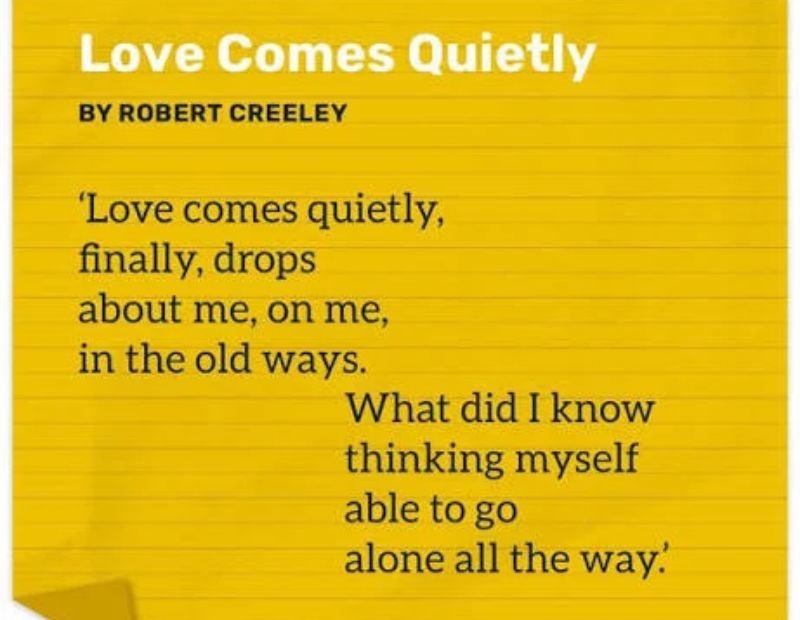
Love is the most popular topic in spoken poetry, especially in Filipino hugot style. It covers many shades of feeling.
Common Love Themes
- First crush and sweet beginnings
- Unrequited love
- Heartbreak and moving on
- Long distance relationships
- Self love
- Love for family and friends
- Missing someone who is gone
Tips for Writing a Love Piece
- Start with one real moment, like a text message or a bus ride.
- Use small details instead of big claims. Show the coffee going cold, not just “I was sad.”
- Add one twist, such as a final line that changes the meaning.
- Avoid clichés. Replace “my heart is broken” with something only you would say.
- End with a feeling, not a lecture.
How to Write Spoken Poetry?
Paano Gumawa ng Spoken Poetry? (Paano Sumulat ng Spoken Poetry)
Narito ang simpleng gabay na puwedeng sundan ng estudyante o baguhan. Here is a simple guide for beginners.
- Pick a topic you care about. Honest feeling beats fancy words.
- Choose your point. Decide what you want listeners to feel or understand.
- Start with a hook. Open with a bold line, a question, or a strong picture.
- Gather details. List sights, sounds, names, and small moments.
- Write the way you speak. Read each line aloud as you write.
- Build a rhythm. Use repetition and a steady beat.
- Add sound devices. Try alliteration or internal rhyme in key lines.
- Create a turn. Somewhere near the end, shift the mood or reveal something new.
- Close strong. End on an image or a line people will remember.
- Edit out the extra. Cut any line that does not earn its place.
- Time yourself. Most stage pieces run about two to three minutes.
- Practice aloud. Revise based on how it sounds, not only how it looks.
Quick Structure Template
| Part | Purpose | Length |
|---|---|---|
| Hook | Grab attention | 2 to 4 lines |
| Setup | Show the situation | 6 to 10 lines |
| Build | Raise the feeling | 8 to 12 lines |
| Turn | Surprise or shift | 2 to 4 lines |
| Close | Leave an echo | 2 to 4 lines |
Spoken Poetry Script
A script is the written version you will perform. Good scripts include more than the words.
What to Include in Your Script?
- Title and your name
- Lines broken where you will breathe
- Pause marks, like [pause] or a slash
- Emphasis marks, like underlined or capitalized words
- Tone notes, such as soft, fast, or angry
- Gesture notes, if you plan any
Original Script Sample (English)
Title: Loud Enough
I practiced my voice in the bathroom mirror,
because the shower never judged me.
I said my name three times,
each time a little braver,
each time a little less like an apology.
Today I am not asking for room.
I am walking in with my own chair.
If my voice shakes,
let it shake.
Even thunder starts with a tremble.
Original Script Sample (Tagalog)
Pamagat: Kahit Nanginginig
Hindi ako magaling magsabi,
kaya dito ko na lang bubuksan ang dibdib ko.
Kung marinig mo man,
huwag mong isiping biro.
Totoo ang bawat bigkas,
kahit nanginginig pa ang tinig.
Ito ang boses kong matagal nang nagtatago.
Ngayon, hayaan mo akong magsalita.
Both samples are original and free to use as practice models. Feel free to adapt them for class, but write your own for contests.
How to Deliver Spoken Poetry?
A strong poem can fall flat with weak delivery. Use these tips to perform with confidence.
Voice
- Speak slowly. Nerves make people rush.
- Change your volume. Whisper at tender moments and rise at powerful ones.
- Use pauses. Silence can hit harder than a shout.
- Breathe from your belly, not your chest.
Body
- Stand tall with feet apart.
- Keep gestures simple and natural.
- Use your face. Let your eyes and eyebrows show the feeling.
- Avoid pacing or swaying too much.
Connection
- Look at different parts of the room.
- Pick friendly faces for steady eye contact.
- Let the audience react. Wait for laughter or silence to settle.
Practice Plan
- Read the poem aloud five times.
- Record yourself and listen back.
- Perform it for one friend or family member.
- Memorize it as well as you can. Notes are fine for beginners.
- Warm up your voice with a few humming and breathing exercises.
Spoken Poetry for Students
Spoken poetry is a great classroom tool. It builds speaking, writing, and listening skills in one activity.
Benefits for Students
- Boosts confidence in public speaking
- Improves vocabulary and creativity
- Teaches rhythm, tone, and structure
- Encourages students to share their own stories
- Makes poetry fun and personal
Easy Classroom Activities
- Two minute poem: Students write a poem about a memory and read it aloud.
- Pair share: Students perform for a partner before the class.
- Mini slam: Hold a friendly, low pressure contest with positive feedback.
- Group piece: Small groups write and perform a poem together.
- Class open mic: Set up a stage corner for volunteers.
Safe Topics for School
Choose themes like friendship, family, dreams, school life, nature, culture, and kindness. Keep language respectful and age appropriate.
Spoken Poetry Buwan ng Wika
Every August, Philippine schools celebrate Buwan ng Wika, the Filipino language month. Spoken poetry fits perfectly because it celebrates the Filipino language, culture, and identity.
Ideas for Buwan ng Wika Performances
- Write about the beauty of the Filipino language
- Honor local heroes, farmers, teachers, or workers
- Talk about family traditions and hometown pride
- Reflect on language, identity, and unity
- Mix traditional forms like balagtasan with modern spoken poetry
Tips for Competitions
- Read the contest guidelines carefully.
- Match the theme set by the organizers.
- Keep to the time limit.
- Use clear, proper Filipino and avoid forced rhymes.
- Practice your pronunciation and rhythm.
- Wear neat, simple clothes unless costumes are allowed.
Spoken Poetry Tagalog and the Filipino Scene
Tagalog spoken poetry has become one of the most loved art forms among Filipino youth. Its mix of heartfelt words, everyday language, and hugot makes it very relatable.
Juan Miguel Severo Spoken Poetry
Juan Miguel Severo is one of the best known Filipino spoken word artists. He performed with the spoken word group Words Anonymous, and he became widely recognized after appearing on the TV series On the Wings of Love. His pieces mostly explore love, longing, and heartbreak, though he also writes about social issues. He performed his piece “Teorya ng Paglikha” at a student protest, which showed how spoken poetry can carry political messages as well. His book, Habang Wala Pa Sila: Mga Tula ng Pag-ibig, gathered some of his love poems in print.
Popular titles often linked to him include “Ang Huling Tulang Isusulat Ko Para Sa ‘Yo,” “Mga Basang Unan,” “Naniniwala Ako,” and “Isang Letra.” To enjoy them fully, watch the official performances rather than random reposts.
Dating Tayo Spoken Poetry
“Dating Tayo” is a popular piece about a past relationship, a theme that connects with many listeners. It is often shared in Filipino spoken poetry collections and fan pages, and it is associated with the writer Maimai Cantillano. Pieces like this work because “dating” (former) carries two meanings at once: something that used to be, and a quiet ache for it.
Kween Yasmin Spoken Poetry
Kween Yasmin is a Filipino internet personality known for humor and viral clips. Her playful spoken word attempt, “Esophagus, Esophagus,” was widely shared and became a meme. She has also delivered an impromptu “Batang Ina” piece on social media. These examples show how spoken poetry has crossed into pop culture and comedy.
Batang Ina Spoken Poetry
“Batang Ina” is a viral Filipino spoken poetry piece about teenage pregnancy and the struggles of young mothers. Many creators have performed their own versions on TikTok. It spread widely because its subject touches real families and its emotional style invites response. When performing or sharing a piece on this topic, treat it with care and respect for the people it describes.
Spoken Poetry Wowowin
Searches that mention Wowowin usually point to clips of spoken poetry performances connected to the Filipino variety show, shared by guests and viewers. Since details vary by episode, check the show’s official channels for the exact performances.
Why Tagalog Spoken Poetry Works?
- The Filipino language is musical and rich in emotion.
- Hugot culture invites honest, relatable storytelling.
- Social media spreads performances fast.
- Open mics and school events give young poets a stage.
15 Best Examples of Spoken Poetry
Here are fifteen well known pieces and poets worth watching. I describe each one by theme rather than quoting it. Always search for official or author approved videos.
| No. | Title | Poet | Theme |
|---|---|---|---|
| 1 | Ang Huling Tulang Isusulat Ko Para Sa ‘Yo | Juan Miguel Severo | Love and letting go |
| 2 | Mga Basang Unan | Juan Miguel Severo | Heartache and tears |
| 3 | Teorya ng Paglikha | Juan Miguel Severo | Protest and history |
| 4 | Dating Tayo | Maimai Cantillano | A past relationship |
| 5 | Batang Ina | Viral Filipino piece | Teenage motherhood |
| 6 | Esophagus, Esophagus | Kween Yasmin | Humor and internet culture |
| 7 | The Revolution Will Not Be Televised | Gil Scott-Heron | Media and social change |
| 8 | To This Day | Shane Koyczan | Bullying and resilience |
| 9 | If I Should Have a Daughter | Sarah Kay | Hope and parenthood |
| 10 | Pretty | Katie Makkai | Beauty standards |
| 11 | What Teachers Make | Taylor Mali | Respect for teachers |
| 12 | Shake the Dust | Anis Mojgani | Courage and hope |
| 13 | Knock Knock | Daniel Beaty | Fatherhood and loss |
| 14 | Hair | Elizabeth Acevedo | Identity and culture |
| 15 | The Hill We Climb | Amanda Gorman | Unity and renewal |
What These Examples Teach You?
- Specific details make big feelings believable.
- Repetition gives a poem its heartbeat.
- Honest voice matters more than fancy vocabulary.
- A strong ending stays with the listener.
Spoken Poetry Competition
Competitions are a great way to grow. You can join school contests, community open mics, or online challenges.
Common Competition Rules
- Original work by the performer
- Time limit, often three minutes
- No props, costumes, or music (in many slams)
- Judges or audience members give scores
- Penalties for going over time
How Scoring Often Works?
| Criteria | What Judges Look For |
|---|---|
| Content | Strong ideas and writing |
| Performance | Voice, energy, and stage presence |
| Originality | Fresh perspective |
| Impact | How the piece makes the audience feel |
Tips to Do Well
- Pick a piece that fits the theme and time limit.
- Memorize well, but breathe and stay natural.
- Start strong and end stronger.
- Be yourself. Judges notice honesty.
- Support other poets. Slam culture values community.
Spoken Poetry Generator
A spoken poetry generator is an online tool that creates draft lines from a topic or keyword. Some use simple templates, and others use AI. They can help when you are stuck, but they cannot replace your real voice.
How to Use a Generator Wisely?
- Enter a clear theme, like “first love” or “family.”
- Use the output only as a spark.
- Rewrite lines in your own words.
- Add personal details that a tool cannot know.
- Read it aloud and fix anything that sounds stiff.
Make Your Own Generator Formula
Try this fill in the blanks method:
- Opening: “The first time I [action], I felt [feeling].”
- Image: “It looked like [comparison].”
- Turn: “But now [change].”
- Close: “And that is why [message].”
Practice with five different topics, and you will have five drafts in minutes.
SEO and Sharing Tips for Spoken Poets
If you plan to post your work online, a few small steps help more people find it.
- Use a clear title that includes the theme, like “Spoken Poetry About Love.”
- Write a short caption that explains the piece in one or two lines.
- Add hashtags such as spoken poetry, spoken word, hugot, and tula.
- Upload captions or subtitles so viewers can follow along and the video is more accessible.
- Choose a clean thumbnail with your face and the title.
- Share the script in a blog post so search engines can read your words.
- Credit your sources if you perform someone else’s piece, and ask permission when needed.
- Post consistently so your audience knows when to expect new work.
Common Mistakes to Avoid
- Rushing the delivery. Slow down so people can absorb each line.
- Forcing rhymes. A bad rhyme hurts more than no rhyme.
- Using too many clichés. Fresh images beat borrowed ones.
- Writing only for effect. Honesty works better than drama.
- Ignoring the audience. Look up from your paper.
- Copying another poet’s work. Always create original pieces for contests.
- Skipping practice. Even natural performers rehearse.
- Making it too long. Cut until every line matters.
Frequently Asked Questions About Spoken Poetry
What is spoken poetry?
Spoken poetry is poetry written to be performed aloud, using voice, rhythm, and expression.
Ano ang spoken poetry?
Ito ay tulang isinulat para bigkasin nang may damdamin sa harap ng mga tagapakinig.
How do you write spoken poetry?
Pick a real topic, write the way you speak, add rhythm and repetition, then edit by reading it aloud.
What are the characteristics of spoken poetry?
It features rhythm, conversational language, strong imagery, repetition, and emotional honesty.
What is the purpose of spoken poetry?
It lets people express feelings, tell stories, raise awareness, and connect with others.
What are the types of spoken poetry?
Common types include slam, hugot, love, protest, narrative, comedic, and motivational poetry.
What is the difference between spoken word and slam poetry?
Slam poetry is spoken word performed in a competition. Spoken word can be performed anywhere.
Is spoken poetry the same as rap?
No. They share rhythm and wordplay, but rap is usually set to a beat and follows music based structures.
How long should a spoken poem be?
Most stage pieces last two to three minutes, but follow any contest time limit.
Does spoken poetry have to rhyme?
No. Many pieces use free verse, and rhyme is used only where it helps.
How do you deliver spoken poetry?
Speak slowly, use pauses, make eye contact, and let your face and body support the words.
Who is Juan Miguel Severo?
He is a Filipino spoken word artist and actor known for emotional pieces about love and society.
Paano gumawa ng spoken poetry?
Pumili ng paksa, sumulat na parang nagsasalita, magdagdag ng ritmo, at ensayuhin ang pagbigkas.
Can students write spoken poetry?
Yes. It helps them build confidence, creativity, and speaking skills.
Can I use a spoken poetry generator?
Yes, as a starting spark. Always rewrite the output in your own voice.
Conclusion
Spoken poetry is simple at its heart: a person, a voice, and a story worth hearing. It can be tender, funny, angry, or hopeful, and it can happen on a grand stage or in a quiet classroom. Whether you love the heartfelt hugot of Filipino poets or the fiery energy of global slam artists, the art form welcomes everyone.
Start small. Write about one real moment, read it aloud, and keep improving it. Watch great performers for inspiration, then find your own voice and rhythm. The world has plenty of polished words. What it needs more of is yours.